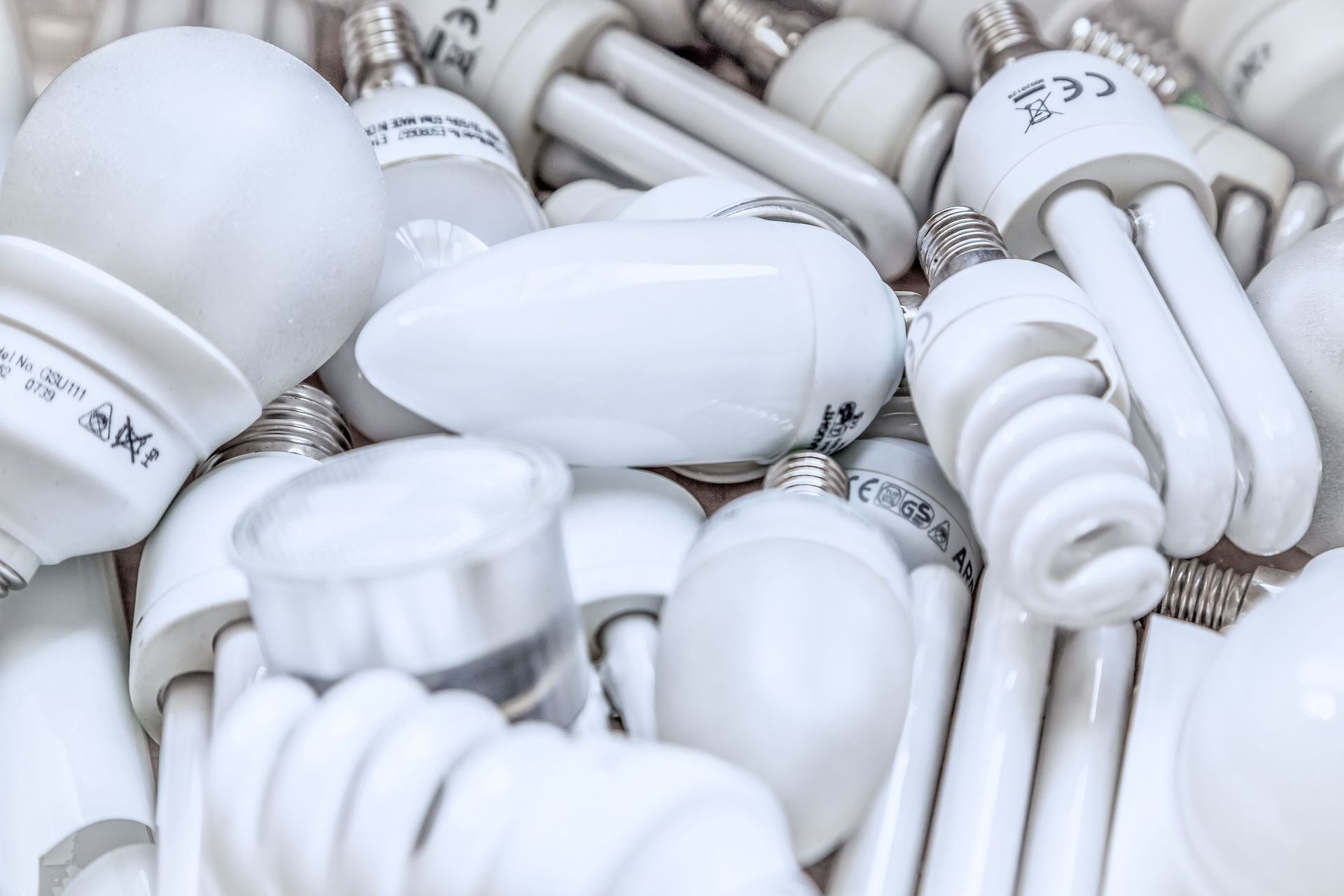
Replacing fluorescent lighting throughout an office, warehouse, or commercial facility can create a waste stream that requires more consideration than simply filling a dumpster. Fluorescent lamps contain mercury, which means South Carolina businesses may be subject to specific requirements for managing discarded lamps and other mercury-containing equipment. Working with a knowledgeable commercial recycling and waste provider like Ever Green Environmental can make proper disposal easier while helping your business maintain compliance. Fluorescent Lights and South Carolina's Universal Waste Rules South Carolina regulates applicable discarded lamps and mercury-containing equipment under its Universal Waste Rule. Fluorescent tubes, compact fluorescent lamps, and certain other types of energy-efficient lighting can contain mercury, which means businesses should understand how their used lighting must be managed before throwing it away with general commercial waste. Requirements can vary based on the type of waste, how it is generated, and the amount a business handles, so it's worth double checking what your particular requirements might be. At the very least, keeping fluorescent lamps intact and properly contained also helps reduce the possibility of releasing mercury through accidental breakage. Handling Ballasts During a Commercial Lighting Replacement Replacing fluorescent fixtures may also leave your business with used ballasts in addition to lamps. Older ballasts can require special attention because some may contain polychlorinated biphenyls, or PCBs. Businesses completing a lighting retrofit should identify what types of lamps, ballasts, and related components they have before determining the appropriate recycling or disposal method. Why Proper Mercury Waste Disposal Matters Mercury-containing lighting should be treated differently from ordinary office trash. Proper commercial recycling and waste procedures can help keep potentially hazardous materials out of inappropriate waste streams while allowing recoverable materials to be handled responsibly. For businesses, having an established process is particularly important when replacing lighting across an entire office, retail space, warehouse, or other commercial facility. Commercial Recycling and Waste Expertise in Upstate South Carolina Ever Green Environmental helps businesses make informed decisions about their commercial recycling and waste needs. If your facility is replacing fluorescent lighting, disposing of mercury-containing materials, or evaluating how specialty waste should be handled, our team can help you understand the appropriate next steps and maintain a responsible waste management program.

If your commercial waste or recycling bill suddenly costs much more than expected, it is worth taking a closer look. Unexpected rate increases, additional fees, and confusing contract terms can make it difficult for businesses to understand what they are actually paying for. For businesses in Five Forks, Simpsonville, and greater Greenville, choosing a waste provider that prioritizes clear communication can help eliminate unwelcome billing surprises. Why Did My Waste Service Bill Increase? Waste service rates can change for legitimate reasons, including fluctuations in fuel prices, labor costs, and other operating expenses. The problem arises when customers are not clearly informed about those changes or cannot easily determine why their monthly bill increased. If your bill suddenly jumps, compare it with previous statements and review individual charges. Look for fuel or environmental surcharges, administrative fees, service increases, and other charges that may have been added or adjusted. Watch for Automatic Contract Renewals Contract terms can also affect what you pay. Some waste service agreements may automatically renew unless customers provide notice within a specific timeframe. Before signing with a provider, understand how long the agreement lasts, how renewal works and whether rates or fees can change during the contract period. If you are already under contract, reviewing these terms before the renewal date can help you avoid being surprised by another lengthy commitment or unexpected pricing changes. Clear Pricing Makes Waste Management Easier Businesses have enough expenses to manage without wondering what their next waste bill will look like. Ever Green Environmental believes customers should understand the services they receive and what they are paying for. When changes affect service or pricing, we prioritize keeping our customers informed rather than hiding costs behind confusing fees. Looking for a Different Waste Service Provider? If unexplained charges, unexpected rate hikes, or unclear contract terms have you reconsidering your current provider, it may be time to explore another option. Ever Green Environmental provides dependable commercial waste and recycling services with straightforward communication for businesses throughout Five Forks, Simpsonville, and greater Greenville. Contact us to discuss your current waste needs and learn how switching providers works.
